Scott 3200A Tailwheel – Fully Rebuilt: Professional Replacement for Compatible Aircraft
Scott 3200A Tailwheel – Fully Rebuilt: Professional Replacement for Compatible Aircraft
Blog Article
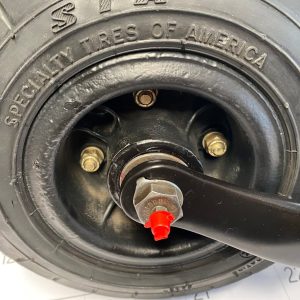
The Scott 3200A Tailwheel – Fully Rebuilt combines an established aviation design with inspected, serviced, adjusted, and replaced components intended to restore dependable mechanical operation. The meaning of fully rebuilt should be supported by information describing disassembly, cleaning, inspection, measurement, lubrication, component replacement, reassembly, adjustment, and functional testing.
A correctly rebuilt Scott 3200A Tailwheel Assembly can support predictable steering when installed and adjusted properly on a compatible aircraft. A Scott Tailwheel Assembly should be evaluated as a complete mechanical system rather than judged only check here by its tire, fork, paint, or visible exterior hardware.
An Aircraft Tailwheel Assembly experiences vertical loads, side forces, vibration, steering input, and occasional impact during routine service. The General Aviation Tailwheel should receive maintenance based on actual use, operating surface, contamination exposure, and observed condition.
Whether the project involves a Tailwheel Steering Assembly, Aircraft Ground Handling Tailwheel, or Scott 3200 Series Tailwheel, professional installation remains important.
Key Benefits of a Rebuilt Scott 3200A
The assembly can respond to normal steering input while allowing broader movement when its internal mechanism releases appropriately. Maintenance personnel should inspect the complete tailwheel arrangement before concluding that one component is responsible for steering difficulty or shimmy.
Scott 3200A Tailwheel Applications
Its mechanical configuration can support directional control during normal taxiing while allowing wider turning movement when required. The exact work completed should be listed clearly because rebuilt assemblies may differ in scope and component replacement.
Evaluating a Rebuilt Scott Tailwheel Assembly
A thorough rebuild generally begins with complete disassembly, careful cleaning, detailed inspection, and measurement of wear-sensitive areas. Buyers should distinguish between cleaned, serviced, repaired, inspected, overhauled, and fully rebuilt descriptions.
Aircraft Tailwheel Assembly Maintenance
Tailwheel condition influences taxi tracking, turning ability, maneuverability, and pilot workload. Incorrect linkage tension can cause delayed steering, harsh engagement, restricted movement, or unnecessary component loading.
Benefits of a General Aviation Tailwheel
A General Aviation Tailwheel may operate from paved airports, grass runways, gravel strips, private fields, dirt airstrips, and backcountry locations. Vintage aircraft may require additional compatibility review because previous owners may have changed springs, chains, wheels, or mounting hardware.
Maintaining an Aircraft Tailwheel
The assembly remains part of a complete ground-handling system that also includes rudder control, brakes, main gear, and pilot technique. A serviceable tire-and-wheel arrangement supports the work completed within the steering mechanism.
Maintaining a Taildragger Tailwheel
A responsive and correctly adjusted tailwheel can contribute to predictable taxiing and controlled turning. Repeated hard pivoting can increase wear on the tire, bearings, springs, steering arms, fork, and mounting hardware.
Understanding an Aviation Tailwheel System
A complete inspection helps avoid unnecessary replacement and repeated troubleshooting. Steering chains or links should have suitable tension, symmetry, attachment security, and freedom of movement according to the aircraft configuration.
Choosing a Tailwheel Steering Assembly
The mechanism should respond smoothly without sticking, harsh engagement, excessive delay, uncontrolled release, or irregular centering. Hardware should remain secure, correctly sized, and appropriate for the assembly.
Choosing a Ground Handling Tailwheel
An Aircraft Ground Handling Tailwheel supports controlled movement during taxi, parking, towing, hangar positioning, and ramp maneuvering. Towing should use appropriate equipment and procedures that avoid overloading steering arms, chains, springs, forks, or mounting structures.
Scott 3200 Tailwheel Applications
Its established design supports servicing, adjustment, rebuilding, and parts replacement by knowledgeable aviation professionals. A visually similar tailwheel may contain important differences affecting installation or operation.
Maintaining a Heavy-Duty Aircraft Tailwheel
Rugged operations may involve gravel, grass, dirt, uneven surfaces, frequent cycles, contamination, and repeated loading. Mud, dust, gravel, and water can shorten inspection and lubrication intervals.
Buying Tailwheel Aircraft Parts
Every component should match the intended Scott assembly and aircraft installation. Small wear items can have a significant influence on steering performance and service life.
Aircraft Tailwheel Directional Control
An Aircraft Steering Tailwheel helps direct the airplane during taxi by responding to the rudder-linked steering arrangement. A complete review supports reliable Aircraft Steering Tailwheel performance.
Choosing a Replacement Aircraft Tailwheel
Aircraft records may reveal previous modifications or approved changes that influence replacement selection. Rebuild documentation should accompany the assembly when available.
Inspecting General Aviation Landing Gear Parts
Each component contributes to aircraft support, ground control, steering, braking, or load absorption. Transparent descriptions support trust among aircraft owners, sellers, and maintenance professionals.
Evaluating a Scott 3200A Tailwheel
The rebuild date and identity of the rebuilder should be provided where available.
- Confirm that the assembly is a Scott 3200A, review all visible markings, compare mounting details, and verify the wheel-and-fork configuration for the intended aircraft.
- Inspect the assembly for cracks, corrosion, bending, damaged threads, enlarged holes, fork distortion, tire wear, rough rotation, and excessive looseness.
- Confirm the seller’s terms, written invoice, rebuild documents, payment protection, shipping insurance, packaging method, inspection period, and return conditions.
Scott 3200A Tailwheel Installation Guide
The aircraft should be supported safely while the existing assembly, tail spring, steering links, mounting bolts, and surrounding structure are inspected. The steering linkage should respond properly without restricting rudder movement.
Pilots should report delayed steering, pulling, vibration, noise, binding, or irregular swivel behavior.
Protecting a Rebuilt Tailwheel Assembly
Long-term maintenance includes lubrication, tire inspection, bearing review, steering-link checks, cleaning, fastener inspection, spring evaluation, and monitoring of ground-handling performance. Early attention supports reliable long-term operation.
Suitable lubricant should be applied at the correct locations without attracting unnecessary contamination.
Final Thoughts on the Rebuilt Scott 3200A
When professionally inspected, installed, adjusted, tested, and maintained, the Scott 3200A Tailwheel – Fully Rebuilt can become a reliable component of a compatible conventional-gear aircraft. A qualified aircraft maintenance professional should evaluate the complete installation before the tailwheel is returned to operational service.
Whether the requirement is a Scott 3200A Tailwheel Assembly, Scott Tailwheel Assembly, Aircraft Tailwheel Assembly, or General Aviation Tailwheel, exact installation details should guide the purchase. With transparent rebuild records, secure mounting, serviceable steering components, and careful taxi testing, the Scott 3200A can support predictable ground handling.
Report this page